The Wisdom You’ve Been Searching For
Does growing older scare you?
You’re not alone. Every day, thousands of older Americans wake up with the same fears. Losing independence scares them. They worry about becoming a burden. Health problems threaten to take over their lives. The thought of being forgotten or left alone haunts them.
But here’s something beautiful: the advice for older people that truly matters doesn’t come from doctors in white coats or books written by young experts. It comes from seniors who have walked this path before you. People who turned 70, 80, even 90 years old and discovered secrets to living well that no one told them when they were younger.
This guide shares real advice for older people from Americans who learned the hard way. Some made mistakes. Some had regrets. But all of them want you to know what they wish they knew sooner.
Their message is simple: Getting older doesn’t mean giving up. It means getting wiser.
If you’re a senior looking for answers, or if you’re caring for an aging parent who deserves the best, this article is your roadmap. You’ll find practical advice for older people about health, happiness, relationships, and peace of mind. Every word is written in simple English because good advice shouldn’t be complicated.
Let’s begin this journey together.
Why Listening to Older Adults Changes Everything
Maria is 83 years old. She lives in Florida and still gardens every morning. Ten years ago, she could barely walk. Her doctor told her she’d need a wheelchair soon. But Maria didn’t give up. her started with small steps. changed her diet. She asked for help when she needed it. Today, her doctor calls her a miracle.
What changed? Maria listened to advice for older people from her friend Rosa, who was 91 at the time. Rosa had survived the same health problems and knew the real secrets to aging well.
This is why advice for older people from actual seniors matters so much. The lived through what you’re facing now. They know which doctors tell the truth. They know which medicines have bad side effects. That really helps when you feel lonely or scared.
Research from Cornell University studied over 1,000 older Americans. They asked one simple question: “What advice would you give to younger people?” The answers were surprising. Most seniors didn’t talk about money or success. They talked about health, relationships, and not wasting time on things that don’t matter.
The lesson is clear: People who live long, healthy lives know something we need to learn. Their advice for older people comes from real experience, not textbooks. And when we listen, we can avoid their mistakes and copy their successes.
The Most Important Advice for Older People About Physical Health
Your Body Is Still Strong (But It Needs Your Help)
Getting older does change your body. That’s true. But it doesn’t mean your body stops working. Many older adults make one big mistake: they stop moving because they think movement will hurt them. The truth is the opposite.
Movement keeps you alive. This is the number one piece of advice for older people from every healthy senior interviewed for this guide. Movement doesn’t mean running marathons. is means walking to your mailbox. this means standing up every hour. they means stretching your arms in the morning.
George is 79. He walks around his neighborhood every single morning. Rain or shine. Hot or cold. He says, “My doctor told me to walk 20 minutes a day. I thought that was impossible. Now I walk 45 minutes and I feel 20 years younger.”
Here’s the advice for older people about movement that works:
Start small. Very small. If you can only walk to your front door and back, that’s enough for today. Tomorrow, try to walk a little farther. Your goal isn’t to become an athlete. Your goal is to keep your body moving so it doesn’t forget how.
Walking helps your heart. Your bones stay stronger with regular movement. Sleep becomes easier at night. Even your mood improves when you walk regularly. Studies show that seniors who walk just 15 minutes every day live an average of three years longer than those who don’t walk at all.

But what if walking hurts? What if your knees or back make it hard? This is where smart advice for older people comes in. Many seniors use chairs for exercise. Lift your legs while sitting. Move your arms in circles. Stand up and sit down ten times. This is called chair exercise and it works just as well as walking.
The key is consistency. Small movements every day beat big movements once a week. Your body doesn’t need you to be perfect. It just needs you to try.
Eating Right Doesn’t Have to Be Hard
Food is medicine. This might sound dramatic, but every older adult who stays healthy says the same thing. What you eat affects how you feel every single day.
Many seniors eat the same foods they ate 30 years ago. But your body changes as you age. You need different nutrition now. The good news? Healthy eating is simpler than you think.
The best advice for older people about food comes down to three rules:
Rule 1: Eat more vegetables and fruits. Your body needs vitamins and fiber to work properly. Vegetables help your digestion. Fruits give you natural energy. Try to eat at least three different colors every day. A red apple, green lettuce, orange carrots. Different colors mean different vitamins.
Rule 2: Drink more water. Many older adults feel tired or confused because they don’t drink enough water. As you age, you don’t feel thirsty as often. But your body still needs water. Keep a water bottle near you all day. Take small sips every hour. You’ll feel more alert and stronger.
Rule 3: Eat less salt and sugar. These two things cause most health problems in older adults. High blood pressure, diabetes, heart disease they all get worse with too much salt and sugar. Check food labels. Choose items with less sodium. Use honey instead of white sugar when you can.
This advice for older people sounds simple because it is. You don’t need expensive organic food or special diets. You just need to make small, better choices every day.
Dorothy is 76. She used to eat frozen dinners every night. She felt tired all the time. Then her daughter helped her learn to cook simple, healthy meals. Just chicken with vegetables. Brown rice with beans. Fresh fruit for dessert. Within one month, Dorothy had more energy than she’d had in five years. She says, “I didn’t know food could make me feel this good.”
Emotional and Mental Health: The Advice for Older People Nobody Talks About
Loneliness Is Not Normal (And You Can Fix It)
Here’s a truth that hurts: many older people feel invisible. They feel like the world moved on without them. Their friends have passed away. Their children are busy. They sit alone day after day, wondering if anyone remembers they exist.
This is the crisis nobody wants to talk about. But it’s one of the most important topics when discussing advice for older people. Loneliness doesn’t just make you sad. It actually makes you sick. Medical studies prove that loneliness increases your risk of heart disease, Alzheimer’s, and depression. Lonely people die younger than connected people.
But here’s the hope: you can fix this. You are not powerless.
The most powerful advice for older people about loneliness is this: Connection starts with one person. Just one. You don’t need a hundred friends. You need one phone call. One neighbor you say hello to. One person who knows your name.
Margaret is 84. After her husband died, she spent six months barely speaking to anyone. She felt like her life was over. Then her neighbor invited her to church. Margaret didn’t even like church very much. But she went anyway. She met two other widows her age. They started having coffee once a week. Now Margaret has something to look forward to every Wednesday morning.
That one invitation changed everything.
What can you do today to feel less alone?
Call someone. Anyone. Your niece. Your old coworker. The lady at the grocery store you always see. Say hello. Ask how they’re doing. You’ll be surprised how many people want to talk but are waiting for someone else to start.
Join something. Anything. Senior centers have free activities. Libraries have book clubs. Churches have coffee hours. Even Walmart has people walking around inside when it’s too cold outside. Go where people gather. You don’t have to make best friends immediately. You just need to be around other humans.
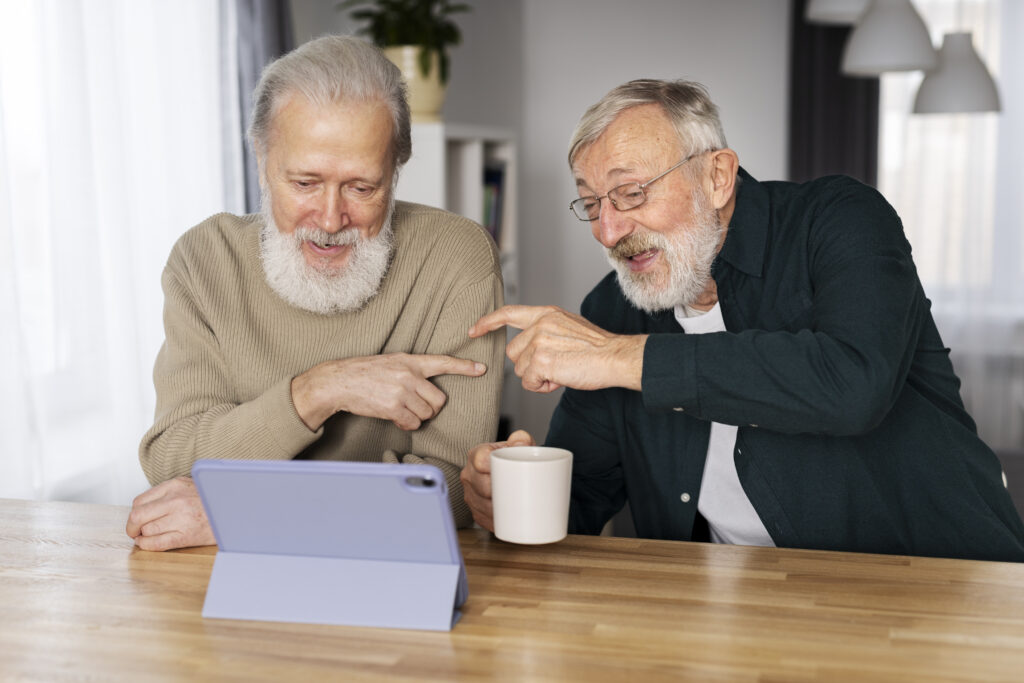
Modern advice for older people now includes technology. Many seniors use tablets or smartphones to video call their grandchildren. If you don’t know how to use this technology, ask for help. Most libraries offer free classes. Your grandkids would love to teach you. Seeing someone’s face on a screen isn’t perfect, but it’s so much better than silence.
Your Mind Needs Exercise Too
Your brain is like a muscle. If you don’t use it, it gets weak. Many older adults think memory loss is just part of aging. Sometimes it is. But many times, memory problems happen because the brain isn’t getting enough exercise.
The best advice for older people about brain health comes from neuroscientists who study aging: Keep learning new things. It doesn’t matter what you learn. Try playing a new card game. Master how to use email. Discover the names of birds in your backyard. When your brain has to work to learn something new, it builds new connections. These connections keep your mind sharp.
Reading is powerful. Even if you read slowly, even if you forget what you read sometimes, the act of reading exercises your brain. Books, magazines, newspapers they all help. Audiobooks count too if your eyes get tired.
Puzzles work wonders. Crossword puzzles, jigsaw puzzles, Sudoku these aren’t just entertainment. They’re brain training. Fifteen minutes of puzzle time every day can slow down memory loss.
Here’s surprising advice for older people: teach someone something. Do you know how to knit? Teach your granddaughter. Do you know how to fix things? Teach your neighbor. When you teach, your brain has to organize information and explain it clearly. This is one of the best brain exercises possible.
Robert is 81. His memory was getting worse every year. His family worried he had dementia. Then Robert started learning Spanish on a free phone app. Just 10 minutes every day. After six months, his doctor was amazed. Robert’s memory test scores improved. Learning a new language at 81 didn’t just give Robert a new skill. It gave him his sharp mind back.
Practical Life Wisdom: Advice for Older People Who Want to Stay Independent
Accepting Help Is Not Giving Up
This might be the hardest advice for older people to hear: asking for help doesn’t mean you’re weak. It means you’re smart.
So many older adults suffer in silence. Why? They don’t want to be a burden. struggle to shower, afraid of falling. Cooking stops when cutting vegetables hurts their hands. sit in a messy house, unable to clean anymore. The reason for all this pain? won’t ask for help.
Here’s the truth: Your family wants to help you. Your neighbors want to help you. There are programs designed specifically to help you. But nobody can help if you don’t ask.
Understanding what older people truly need is the first step toward getting the right support. Many families don’t realize their loved ones are struggling until something bad happens. A fall. A missed medication. A house fire from a forgotten stove.
Don’t wait for something bad to happen. Speak up now.
This advice for older people is critical for safety: Let someone help with the hard tasks. son installed grab bars in your bathroom. Your daughter organizes your medicines. a home health aide help you shower twice a week. These aren’t signs of failure. They’re signs of wisdom.
Linda is 77. She lived alone and insisted she could do everything herself. Then she fell in the bathroom trying to clean the tub. She broke her hip. She spent two months in a nursing home recovering. Now she wishes she had let her daughter hire a cleaning person to help. One hour of help per week would have prevented months of pain.
The Truth About Healthcare: Advice for Older People That Could Save Your Life
Your Doctor Needs Your Honesty
Many older adults lie to their doctors. Not big lies. Small ones. them say they’re taking their medicine when they’re not. They say they feel fine when they feel terrible. their don’t mention the new pain because they don’t want to bother anyone.
This is dangerous. Your doctor can only help you if you tell the truth. This advice for older people could literally save your life: write down your symptoms before your appointment. Write down your questions. Bring the list with you. If you forget things, bring a family member to help you remember.
Never be embarrassed to ask questions. If you don’t understand what your doctor said, ask again. A good doctor will explain things in simple words. If your doctor makes you feel stupid for asking questions, find a new doctor. You deserve someone who listens.
Managing your medicines correctly is part of staying healthy. Many seniors take five, six, or even ten different pills every day. It’s easy to get confused. Use a pill organizer with days of the week marked. Set phone alarms to remind you when to take each medicine. Ask your pharmacist if any of your medicines have bad interactions with each other.
Proper medication management and healthcare coordination can prevent hospital stays and dangerous side effects. When you keep track of your health, you stay out of the emergency room.
Know the Warning Signs
This advice for older people everyone needs to hear: Learn the warning signs of serious health problems. Many heart attacks, strokes, and falls can be prevented if you know what to watch for.
Heart attack warning signs include chest pain, shortness of breath, pain in your arm or jaw, and sudden sweating. Stroke warning signs include sudden weakness on one side of your body, trouble speaking, confusion, and severe headache. If you notice these signs, call 911 immediately. Don’t wait. Don’t drive yourself. Call for help.
Falls are the biggest cause of injury in older adults. You can prevent many falls by keeping your home safe. Remove loose rugs. Keep hallways clear. Install good lighting. Use a cane or walker if you feel unsteady. Pride is not worth a broken bone.
Financial and Legal Planning: Advice for Older People Nobody Wants to Think About
Plan Before You Have To
Most people avoid thinking about the future. Wills. Healthcare directives. Power of attorney. These topics feel scary and sad. But ignoring them doesn’t make the future go away. It just makes everything harder when the time comes.
The wisest advice for older people about legal planning is this: do it now while your mind is clear. Don’t wait until you’re too sick to make decisions. Don’t leave your family guessing what you want.
A will tells people what to do with your belongings after you pass away. A healthcare directive tells doctors what kind of medical care you want if you can’t speak for yourself. Power of attorney gives someone you trust the legal right to make decisions for you if you become unable to make them yourself.
These documents give you control. Without them, strangers might make choices you wouldn’t want. Courts might decide who gets your house. Doctors might keep you alive on machines when you wouldn’t have wanted that. Family members might fight over your wishes because nobody wrote them down.
Setting up these legal protections is easier than you think. Many lawyers offer free or low-cost services for seniors. AARP provides resources. Local senior centers often have information sessions. The important thing is to start. Even having these conversations with your family is a good first step.
Protect Yourself From Scams
Older adults lose billions of dollars every year to scams. This is heartbreaking but true. Criminals target seniors because they know many older people are trusting and may not understand modern technology well.
Critical advice for older people about money: never give your social security number, bank information, or credit card number over the phone unless you made the call. Government agencies never call asking for money. Real banks never email asking for your password. If someone calls saying your grandchild is in jail and needs money immediately, hang up and call your grandchild directly.
If something sounds too good to be true, it is. Free vacations, lottery winnings, amazing investment opportunities these are almost always scams. Talk to a trusted family member before making any financial decisions with someone you don’t know well.
Frank is 80. Someone called him pretending to be from Medicare. They said his Medicare number had been stolen and he needed to verify his information. Frank gave them his Medicare number and social security number. Within one week, criminals had stolen his identity and tried to open credit cards in his name. It took months to fix. Frank says his biggest regret was not hanging up and calling Medicare himself to check if the call was real.
Making Life Meaningful: Advice for Older People About Purpose and Joy
You Still Have Purpose
One of the saddest things older adults say is, “My life doesn’t matter anymore.” possibly, you’re retired and miss having a job. Maybe your children are grown and don’t need you like they used to. kindly, you feel like you’re just waiting for life to end.
Please hear this important advice for older people: your life still matters. You still have value. You still have something to give. Age doesn’t erase your importance. It actually increases it because now you have wisdom that younger people desperately need.
choice Your grandchildren need you to tell them stories about what life was like when you were young. The community needs your volunteer help at the food bank or library. medicine church needs people with your life experience to mentor others. Your neighbors need your smile and your hello.
Finding purpose doesn’t require big achievements. The purpose can be watering your plants every morning. can call your friend who’s lonely every Tuesday. Purpose can be sitting on your porch and waving to people who walk by. These small acts create meaning.
Ruth is 88. After her husband died, she felt like she had no reason to wake up. Then she started volunteering at her local elementary school. She reads books to first graders every Thursday morning. Those children light up when they see her. Ruth says, “Those kids gave me a reason to get out of bed. They made me feel needed again.”
Simple Joys Matter Most
When researchers ask people in their 80s and 90s what makes them happy, the answers are surprisingly simple. Not fancy trips or expensive things. Simple joys.
The best advice for older people about happiness: notice the small beautiful things every single day. The way sunlight comes through your window in the morning. The taste of your coffee. The sound of birds outside. A good song on the radio. A funny show on TV. The feeling of clean sheets when you get into bed.
These tiny moments of joy add up. When you pay attention to them, your whole day feels better. Keep a gratitude journal. Every night before bed, write down three things that made you smile today. Even if it was a hard day. Even if you only smiled once. Write it down.
This practice changes your brain. It trains you to look for good things instead of only noticing problems. After a few weeks, you’ll find yourself feeling more hopeful, more content, more at peace.
For Family Caregivers: How to Use This Advice for Older People to Help Your Loved Ones
They Need You to Lead With Love, Not Control
If you’re reading this to help an aging parent or relative, this section is for you. Caregiving for elderly parents is one of the hardest jobs in the world. You love them. You want to help. But sometimes they push you away or refuse your help.
Here’s important advice for older people’s caregivers: remember that your parent is losing independence. Every time you take over a task they used to do themselves, they feel that loss. Be gentle. Ask before you do things for them. Give them choices whenever possible.
Instead of saying, “You can’t drive anymore,” ask, “Would you feel safer if I drove you to your appointments?” Instead of saying, “You need to move to assisted living,” ask, “What would make you feel more secure at home?”
Understanding what do older people actually need helps you provide the right kind of support without taking away their dignity. They need safety, yes. But they also need respect. They need to feel like adults, not children.
Get Professional Help When You Need It
You cannot do everything alone. Trying to be a full-time caregiver while working, raising your own family, and managing your own life will break you. This is not weakness. This is reality.
Smart caregivers get help. Home health aides can come a few hours a week to help with bathing and dressing. Meal delivery services can provide healthy food. Adult day centers give your loved one social time while giving you a break. Respite care lets you take a vacation without feeling guilty.
Many families avoid getting help because of cost. But care navigation services can help you find affordable or even free resources you didn’t know existed. Medicare covers some home health services. Medicaid can help pay for assisted living if finances are tight. Veterans benefits provide additional support for those who served.
When your loved one comes home from the hospital, having a clear care plan makes recovery so much smoother. Professional guidance helps you avoid common mistakes that lead to readmission.
You don’t have to figure this out alone. Organizations like Guide2Care exist specifically to help families navigate the complicated world of elder care. she knows which questions to ask. her knows which resources exist. They know how to get your loved one the best possible care without overwhelming you in the process.
Your Next Step: Turning Advice for Older People Into Real Life Change
Reading this guide is the first step. But reading won’t change your life. Action will.
If you’re an older adult, choose one piece of advice for older people from this article and commit to it this week. Just one. Walk around your house once a day. Call one friend you haven’t talked to in a while. Drink one extra glass of water every day. Start small. Build from there.

If you’re a family caregiver, have one honest conversation with your loved one this week. Ask them what they’re afraid of. Ask them what they need. Really listen to their answer. Then work together to create a plan.
If you’re feeling overwhelmed, you don’t have to handle everything yourself. Reach out for professional guidance. Sometimes the wisest decision is admitting you need help and then getting it.
How Guide2Care Can Help You Right Now
Every piece of advice for older people in this guide works better when you have support. That’s where Guide2Care comes in.
Guide2Care understands what you’re going through because they’ve helped thousands of families just like yours. them know the fear you feel when your parents’ health changes. require knowledge of the confusion of trying to understand Medicare and Medicaid. They know the stress of balancing work, family, and caregiving.
Their care navigation services include:
Expert guidance on Medicare and Medicaid benefits so you know exactly what’s covered and what’s not. Finding the right home care services, assisted living facilities, or nursing homes that fit your needs and budget. Help with advance care planning including power of attorney and healthcare directives. Respite support and adult day services so caregivers can rest without guilt. Disability and aging support tailored to your unique situation.
But more than services, Guide2Care offers something priceless: peace of mind. When you work with their team, you’re not alone anymore. You have experienced professionals in your corner, fighting for your loved one’s best care.
Making the call is free. The consultation is free. Getting answers to your questions is free.
The only thing that costs something is waiting too long and missing opportunities for help that could make life so much easier.
Take Action Today: Your Loved One Deserves the Best Care
Right now, someone in your family needs help. Maybe it’s you. It could be it’s your mom or dad. Maybe it’s your spouse or your neighbor. Additionally, they’re struggling with something they don’t want to admit. Furthermore, they’re confused about their medicines. They’re afraid of falling. lonely as well They’re not eating well. They’re overwhelmed by medical bills.
You can change this story today.
Contact Guide2Care right now and talk to a care advisor who actually cares about what you’re going through. No judgment. No pressure. Just real help from real people who understand.
Call them. Email them. Fill out their contact form. Whatever is easiest for you. But do it today. Don’t wait until there’s a crisis. Stop waiting until your loved one falls or ends up in the emergency room. Avoid waiting until you’re so exhausted you can’t function anymore.
The best time to get help was yesterday. The second best time is right now.
Your loved one deserves dignity, safety, and quality care. You deserve support so you’re not drowning in responsibility. Guide2Care makes both of these things possible.
This is your moment. Take the advice for older people you’ve learned today and put it into action. Make the call. Start the conversation. Get the support you need.
Because growing older should mean growing wiser, not growing more afraid. With the right help, your family can turn the challenges of aging into opportunities for connection, healing, and peace.
Visit Guide2Care.org now and take the first step toward better care and a better life.
Your loved one is worth it. You are worth it. And help is waiting for you to reach out and take it.
The Most Important Advice for Older People
If you only remember one thing from this entire guide, remember this: you are not alone, and it’s okay to need help.
The strongest people aren’t those who do everything by themselves. The strongest people are those who know when to ask for support and then have the courage to accept it.
Aging is hard. Nobody pretends it isn’t. But aging with support, with resources, with people who care that’s possible. That’s what this advice for older people is really all about.
Start today. Start small. But start.
Your life still has beautiful chapters ahead. Let’s make sure they’re the best ones yet.
